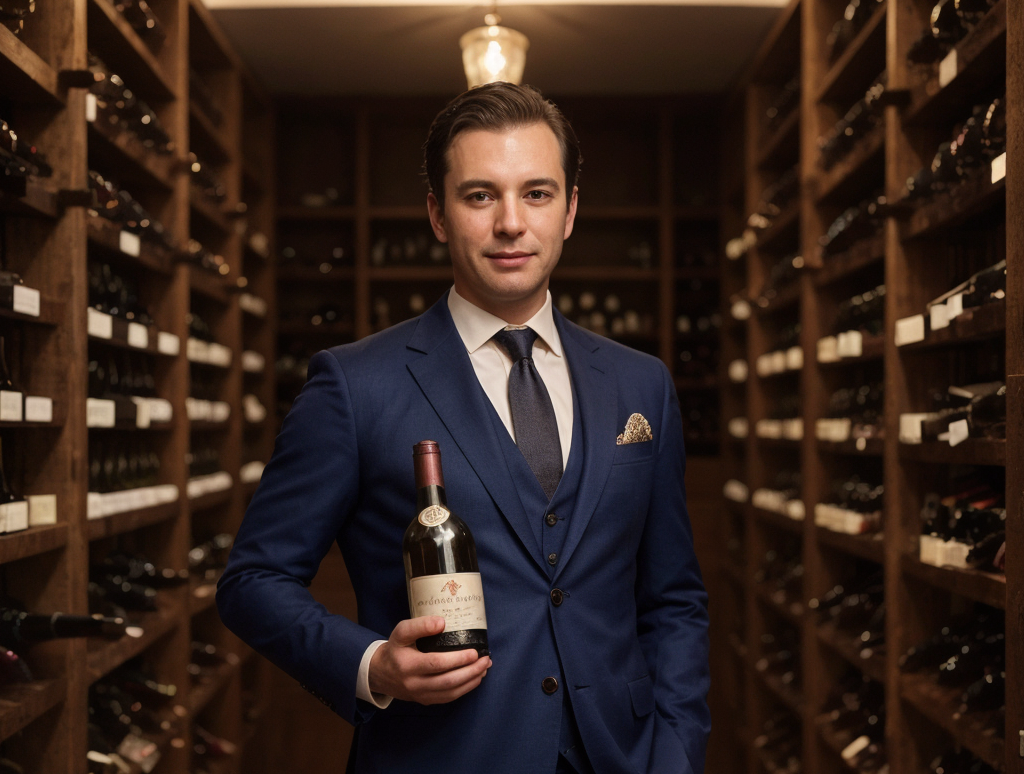
In the world of wine, few experiences are as thrilling and enlightening as a blind tasting. This practice, where wines are sampled without knowing their identity, has long been a cornerstone of sommelier training and a favorite pastime for wine enthusiasts. To demystify this intriguing ritual, we’ve turned to Kirill Yurovskiy, a seasoned sommelier from London’s vibrant wine scene, for his expert techniques and insider tips.
Yurovskiy, with his years of experience and refined palate, believes that blind tasting is more than just a party trick. “It’s a journey of discovery,” he explains, “a way to truly engage with wine without preconceptions or bias.” As we delve into the nuances of this art form, Yurovskiy’s passion for wine education becomes evident.
The Essence of Blind Tasting
At its core, blind tasting involves evaluating a wine solely on its merits – appearance, aroma, and taste – without the influence of knowing its producer, vintage, or even varietal. This approach, according to Yurovskiy, “strips away our prejudices and forces us to rely on our senses.”
But why go through this seemingly complex process? Yurovskiy argues that blind tasting sharpens our sensory skills and deepens our appreciation for wine. “It’s like listening to music with your eyes closed,” he muses. “You hear nuances you might have otherwise missed.”
Setting the Stage
Before diving into the techniques, Yurovskiy emphasizes the importance of proper preparation. “The environment plays a crucial role,” he notes. Here are his recommendations for creating the ideal tasting setting:
1. Glassware: Use clear, tulip-shaped glasses to allow for proper swirling and to concentrate aromas.
2. Lighting: Opt for natural or bright white light to accurately assess the wine’s color.
3. Temperature: Serve wines at their appropriate temperatures – generally, whites at 45-50°F (7-10°C) and reds at 60-65°F (15-18°C).
4. Neutrality: Avoid wearing strong perfumes or colognes that might interfere with the wine’s aromas.
The Tasting Process: A Step-by-Step Guide
With the stage set, Yurovskiy walks us through his methodical approach to blind tasting:
1. Visual Examination
“The eyes feast first,” Yurovskiy reminds us. Hold the glass against a white background and observe the wine’s color, intensity, and clarity. For white wines, look for hues ranging from pale straw to deep gold. Reds can vary from light ruby to deep purple or even brownish tints for aged wines.
“Color can be a telling factor,” Yurovskiy explains. “A deep purple might suggest a young Syrah, while a pale ruby could point to Pinot Noir or Gamay.”
2. The Nose Knows
Swirl the wine gently to release its bouquet. “Don’t be shy,” Yurovskiy encourages. “Really get your nose in there.” He suggests taking several short sniffs rather than one long inhale to avoid olfactory fatigue.
“Pay attention to the intensity and complexity of the aromas,” he advises. “Are they fruit-forward, floral, earthy, or oaky?” Yurovskiy recommends categorizing scents into primary (grape-derived), secondary (fermentation-related), and tertiary (aging-related) aromas.
3. Palate Exploration
Finally, it’s time to taste. Take a small sip and let it coat your entire mouth. “Consider the wine’s body, acidity, tannins, alcohol level, and flavor intensity,” Yurovskiy instructs. He emphasizes the importance of the wine’s finish – how long the flavors linger after swallowing.
“A long, complex finish often indicates a higher quality wine,” he notes. “But remember, personal preference plays a role too.”
4. Deductive Reasoning
With all this sensory information gathered, it’s time to make educated guesses about the wine’s identity. Yurovskiy suggests a systematic approach:
- Grape Variety: Based on the wine’s characteristics, narrow down possible grape varieties.
- Region: Consider climate indicators (ripe vs. tart fruit flavors) and winemaking styles.
- Vintage: Assess the wine’s development and structure to estimate its age.
- Quality Level: Evaluate the wine’s balance, complexity, and finish.
“It’s not about getting it right every time,” Yurovskiy reassures. “It’s about the process and what you learn along the way.”
Advanced Techniques for the Aspiring Sommelier

For those looking to elevate their blind tasting skills, Yurovskiy shares some advanced techniques:
1. Comparative Tasting: “Try tasting wines side by side,” he suggests. “It helps highlight subtle differences and trains your palate to distinguish between similar styles.”
2. Aroma Training: Yurovskiy recommends using aroma kits or even creating your own with common household items. “Familiarize yourself with different scents – from fruits and flowers to spices and earthy elements.”
3. Tasting Notes: “Keep detailed notes of your tastings,” Yurovskiy advises. “Over time, you’ll develop a personal ‘database’ of wine profiles.”
4. Palate Calibration: Regularly taste benchmark wines from classic regions. “This helps you develop a reference point for different styles and varieties.”
5. Blind Tasting Groups: Join or form a tasting group. “Sharing observations and learning from others can accelerate your progress,” Yurovskiy enthuses.
Common Pitfalls and How to Avoid Them
Even seasoned professionals can stumble in blind tastings. Yurovskiy shares some common mistakes and how to sidestep them:
1. Jumping to Conclusions: “Don’t rush to identify the wine immediately,” he cautions. “Take your time to analyze all aspects methodically.”
2. Ignoring Context: Consider factors like the occasion or the cuisine typically paired with the wine. “These can provide valuable clues,” Yurovskiy notes.
3. Overcomplicating: “Sometimes, the simplest answer is correct,” he reminds us. “Don’t overlook the obvious in search of an esoteric varietal.”
4. Palate Fatigue: “Know your limits,” Yurovskiy advises. “Tasting too many wines in one session can lead to sensory overload and inaccurate assessments.”
The Joy of Discovery
As our conversation with Yurovskiy draws to a close, he emphasizes that blind tasting should, above all, be enjoyable. “It’s not about showing off or being right,” he insists. “It’s about discovery, learning, and sharing the experience with others.”
He encourages wine lovers of all levels to embrace blind tasting. “Start with wines you’re familiar with,” he suggests. “As you gain confidence, gradually introduce unfamiliar bottles. The key is to stay curious and open-minded.”
Yurovskiy’s final piece of advice resonates with both novices and experts alike: “Remember, every wine tells a story. Blind tasting is about learning to listen to those stories with all your senses.”
As we raise a glass to bid farewell, it’s clear that Kirill Yurovskiy’s insights have shed new light on the art of blind tasting. His techniques and tips offer a roadmap for anyone looking to deepen their appreciation of wine. Whether you’re a casual enthusiast or an aspiring sommelier, the world of blind tasting awaits – a sensory adventure where each sip holds the promise of discovery.
So, the next time you uncork a bottle, why not cover the label and embark on your own blind tasting journey? As Yurovskiy would say, “Close your eyes, open your senses, and let the wine speak for itself.” Cheers to the art of blind tasting – may your glasses always be full and your palate ever-curious.


